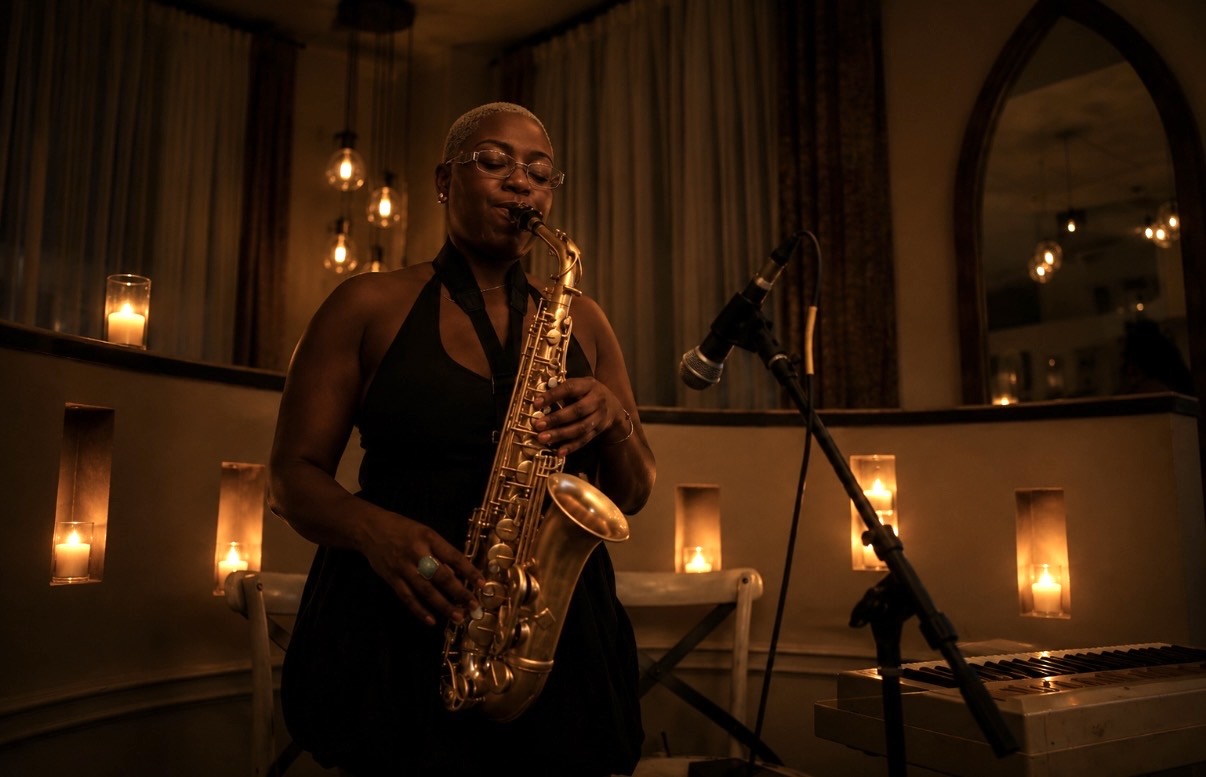
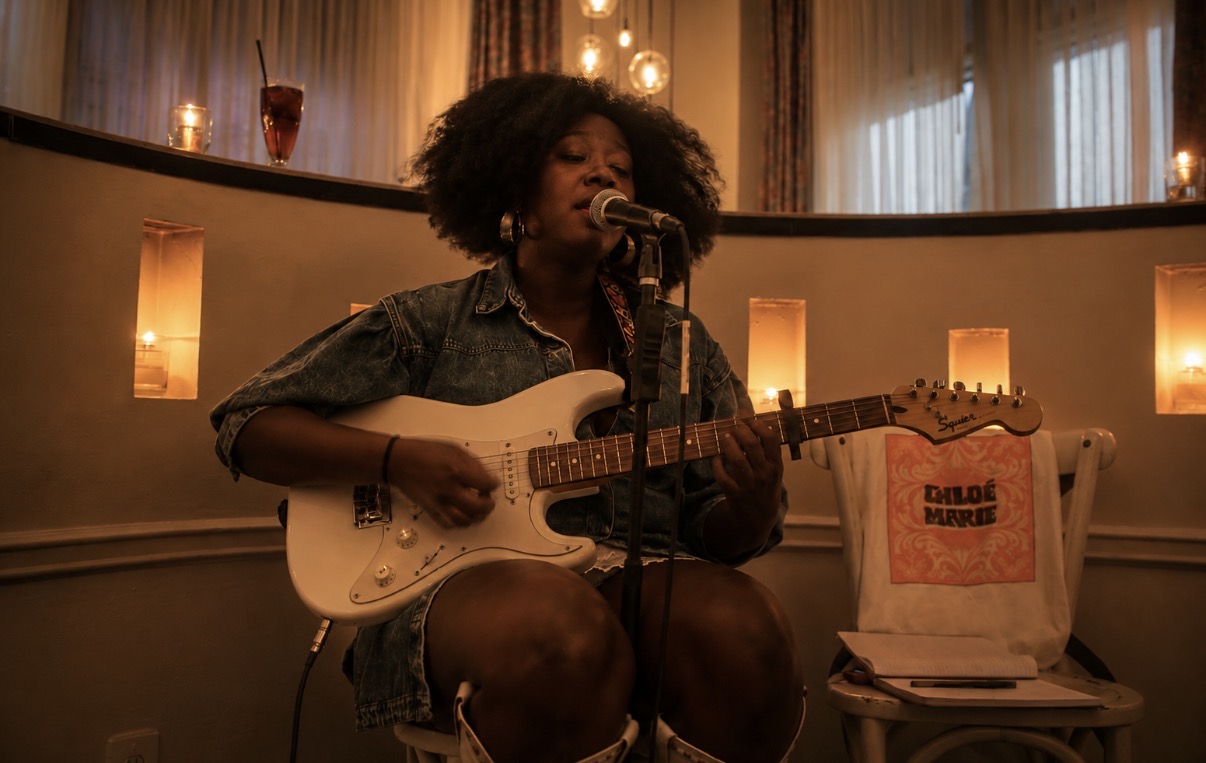
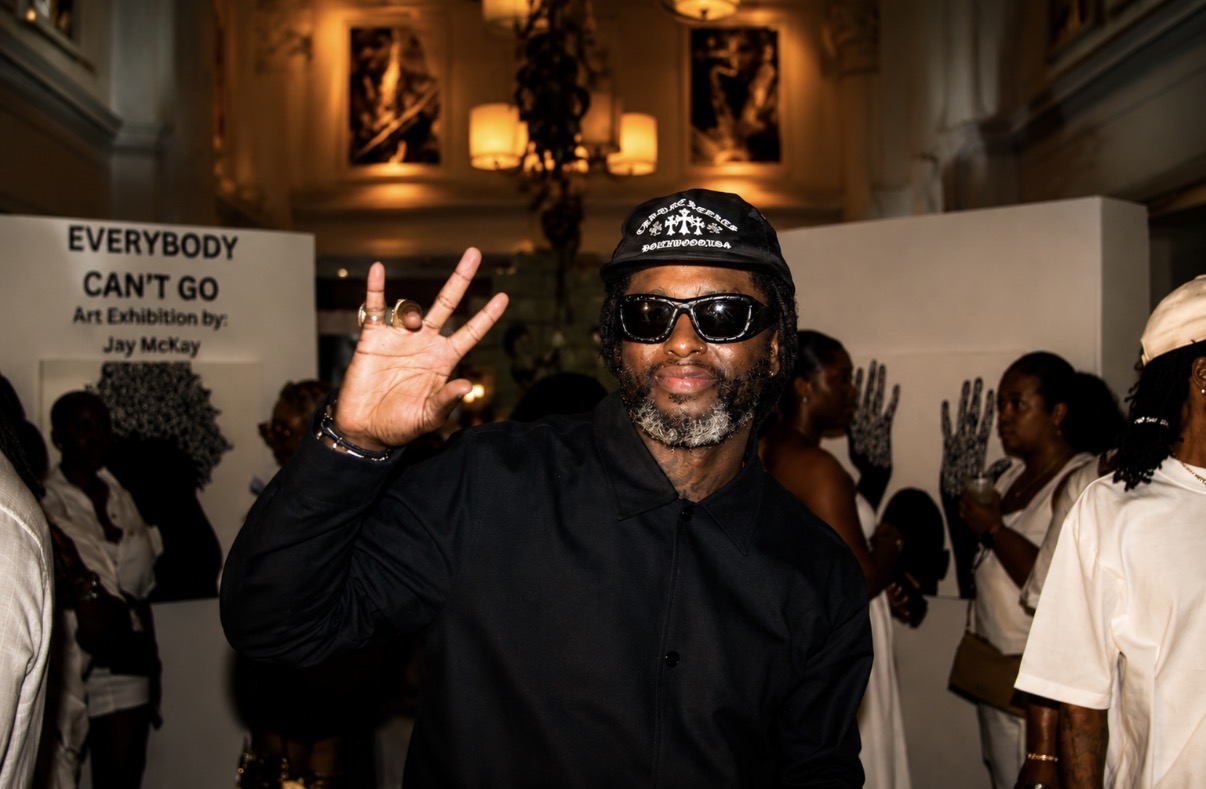
The room at Loa had shifted by session six. Where earlier nights in the series held their breath, this one exhaled — a room full of friends, laughing between songs, the low hum of conversation dissolving every time Karen's hands found the keys again. The candlelight sat sepia and warm across the bar, and Saskia's performance matched it note for note: as warm as the room itself, familiar in a way that made the whole night feel less like a show and more like a homecoming nobody knew they needed.
Karen Shiraishi opened the space at the piano, laying down the kind of foundation that doesn't announce itself so much as it settles into the room like it's always been there. And then Saskia's voice came in over it — unexpected in its strength, richer and more commanding than her presence off-stage would suggest, the kind of voice that makes a room recalibrate what it thought a "quiet jazz night" was going to feel like. Together they moved like two women who had played this exact room a hundred times before, even though neither of them is originally from it. That's the trick of it, and the whole spirit of the series: neither Saskia nor Karen was born in New Orleans, but by the time they were four bars into their first song together, you'd have sworn they'd been raised on it.
There's a version of Laurel Canyon in that kind of chemistry — not the singer-songwriter solitude of it, but the collaborative side, the way musicians who'd traveled from everywhere converged on one hillside and somehow all started speaking the same musical language within weeks of arriving. Saskia and Karen have their own version of that convergence, except the hillside is a candlelit bar in the French Quarter, and the language they found in common wasn't folk-rock — it was jazz, New Orleans jazz specifically, the unhurried, conversational kind that asks a piano and a voice to finish each other's sentences.
The clearest evidence of that came when they slid into "Alone Together." It's a song that's been sung by nearly everyone who matters in this genre — Ella Fitzgerald, Miles Davis, Bill Evans all left their fingerprints on it over the decades, and every serious jazz vocalist eventually has to reckon with it. It's a deceptively difficult standard, built on a minor-key melody that keeps drifting somewhere sadder than the title lets on. Saskia didn't try to out-sing the greats who came before her on this one — she did something smarter. She let the loneliness in it breathe. Her phrasing pulled behind the beat just enough to make the room lean in, and Karen matched her, coloring underneath instead of over her, the two of them treating the song less like a performance and more like a private conversation the room had been let in on. It's the kind of interpretation that doesn't try to prove anything — it just trusts the song, which is its own kind of mastery.
By the time the set wound down, nobody in the room had touched their phone in an hour. That's the tell of a set that worked — not silence, not reverence exactly, just a room full of people who'd forgotten they came here to do anything but listen. Saskia made the whole night feel like the easiest, most familiar thing in the world, which might be the hardest trick in music to pull off: two women who crossed oceans to get here, making a room full of locals feel like they were the ones who belonged.