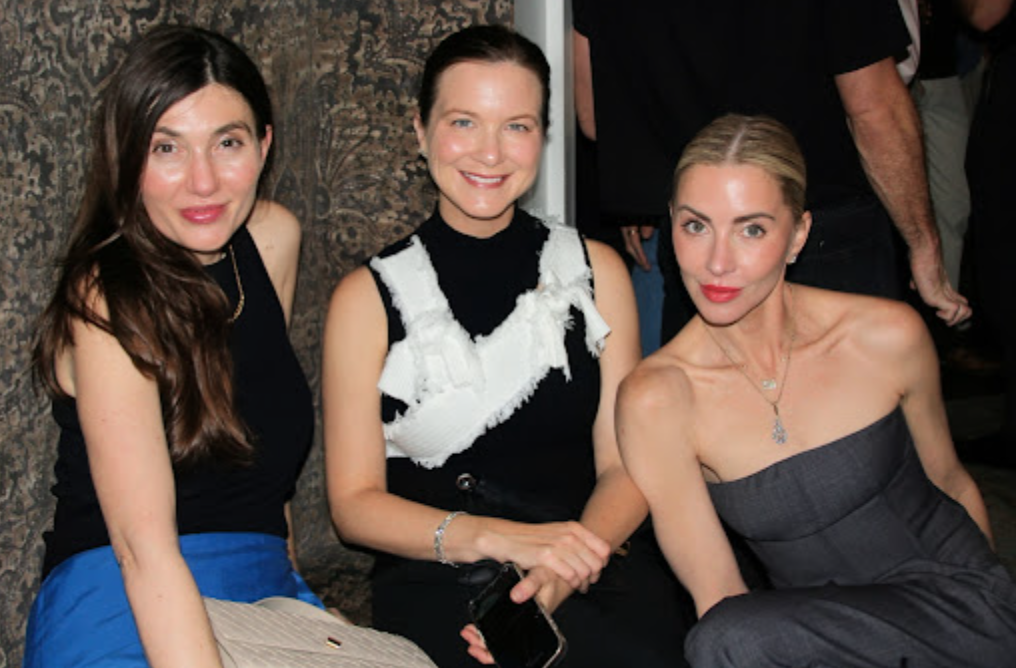
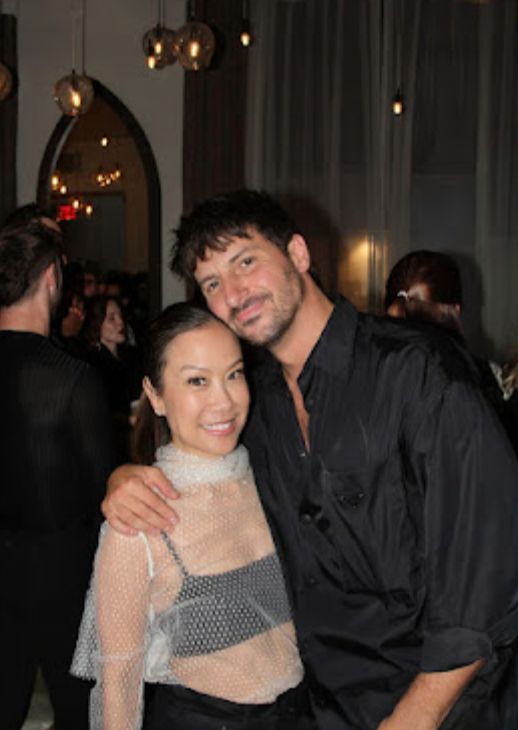
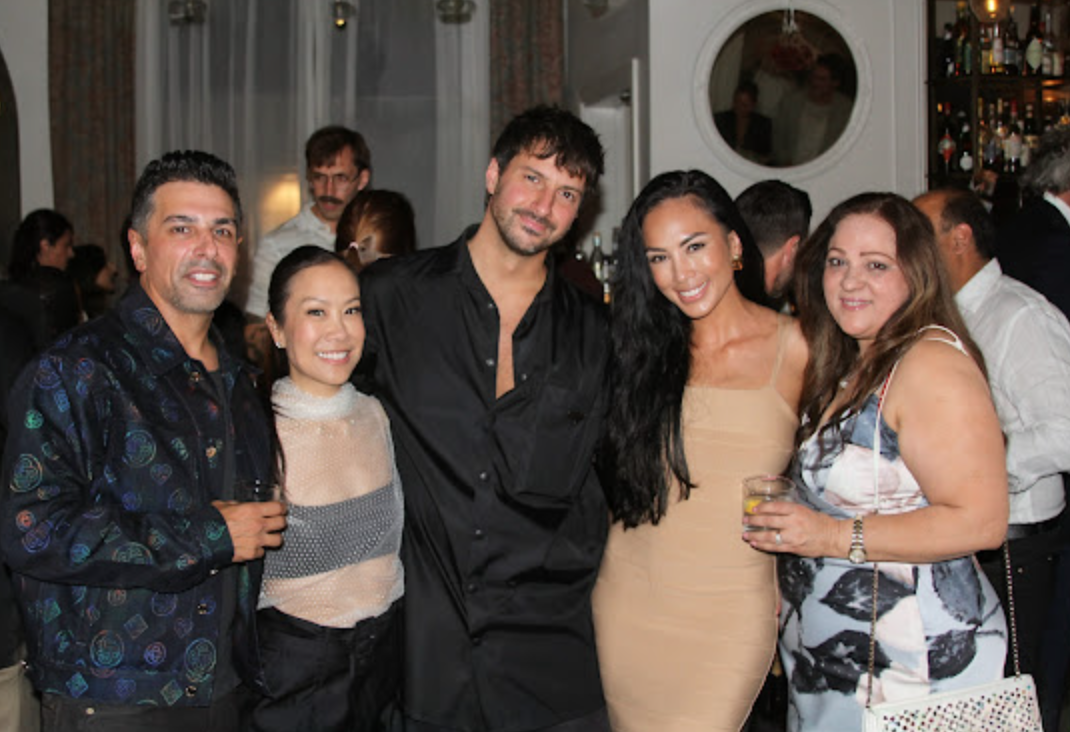
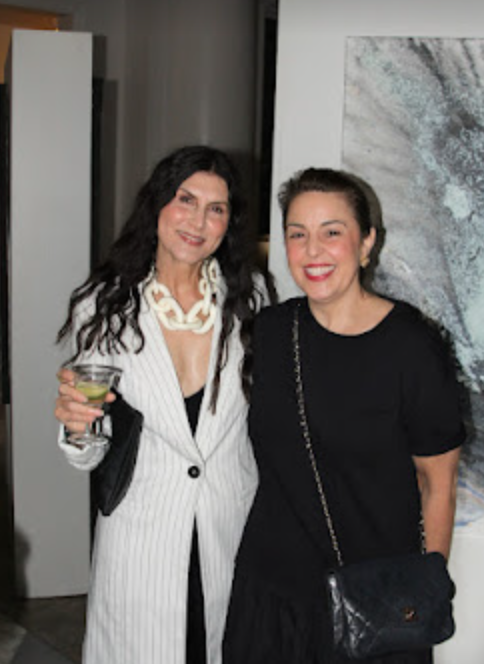

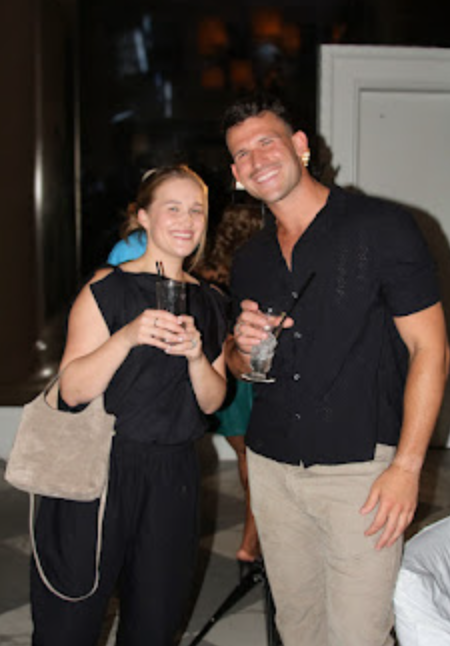
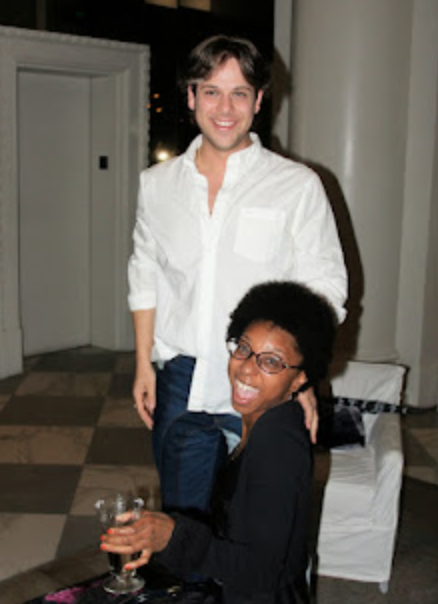
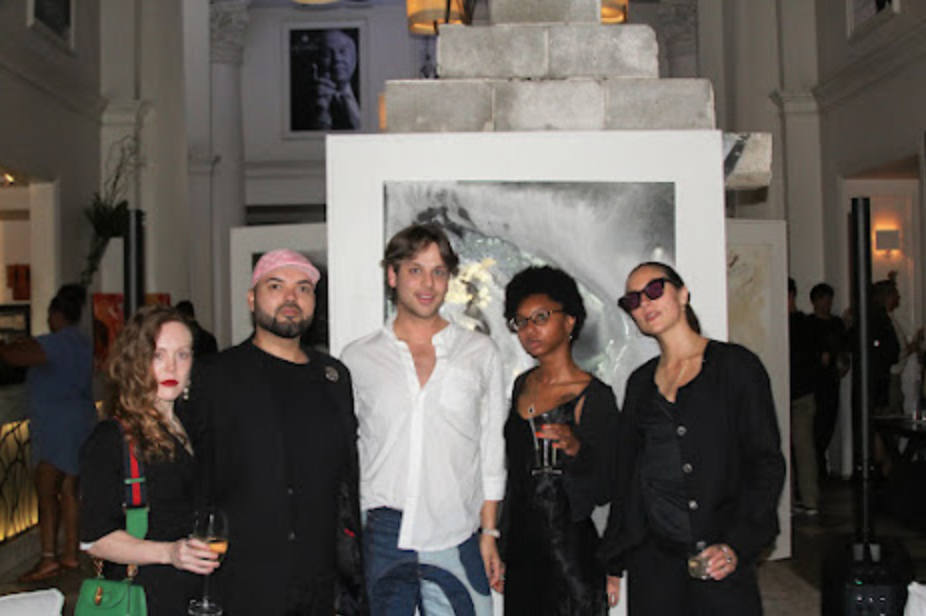
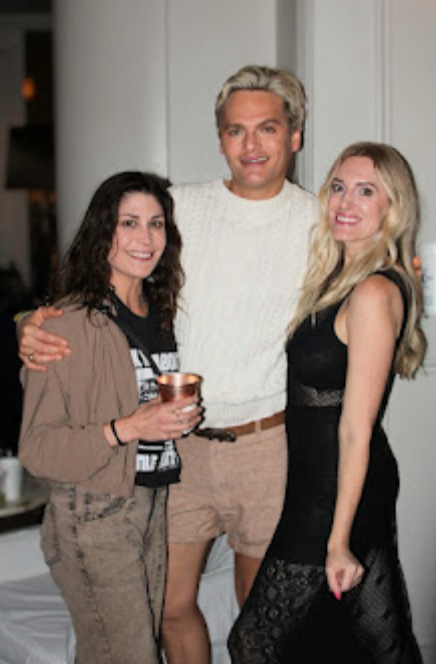


Some evenings announce themselves. You feel them before you arrive — in the charged quality of the air, in the way strangers on the street slow their step to look. Convergence, the debut event for contemporary artist RJ Raizk, was exactly that kind of night. From the moment the façade of International House Hotel began to breathe with light and pattern, it was clear that something out of the ordinary was happening at 221 Camp Street.
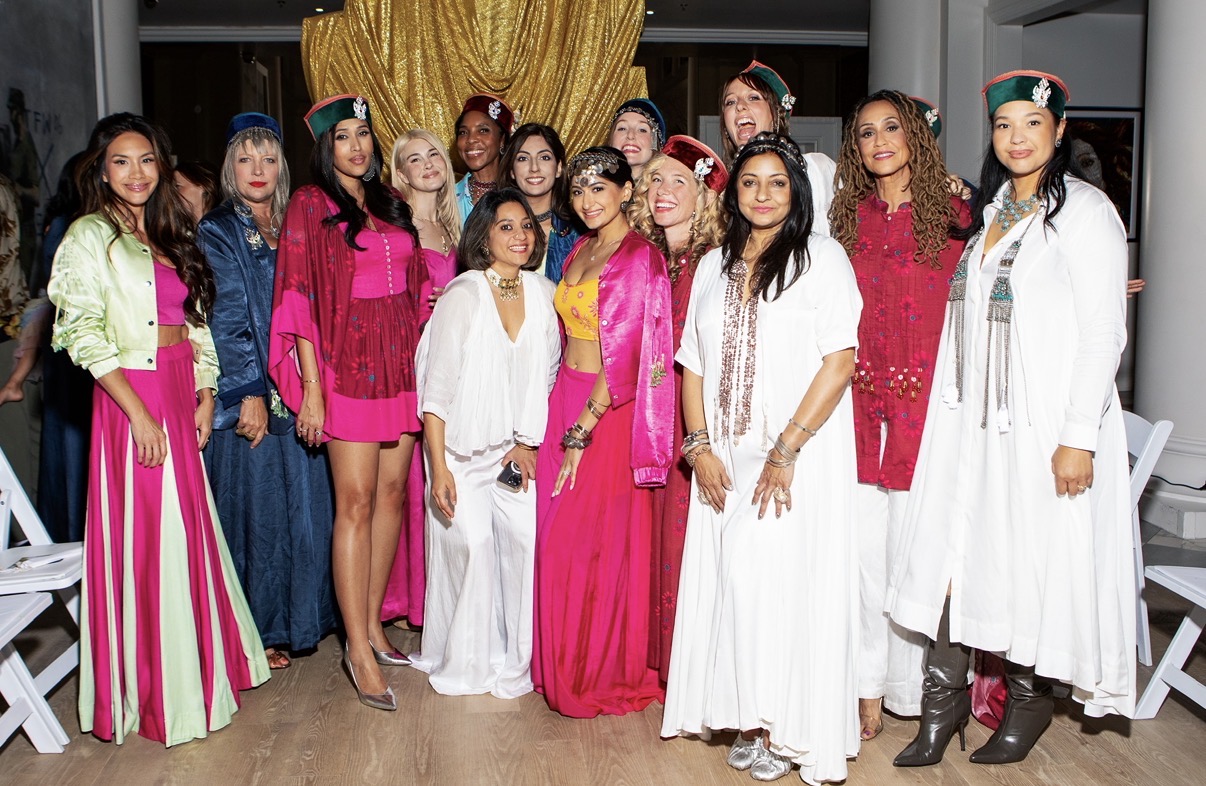
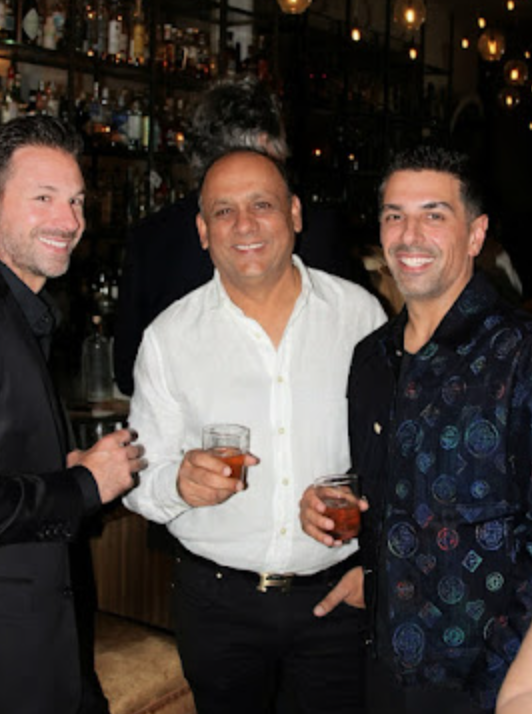
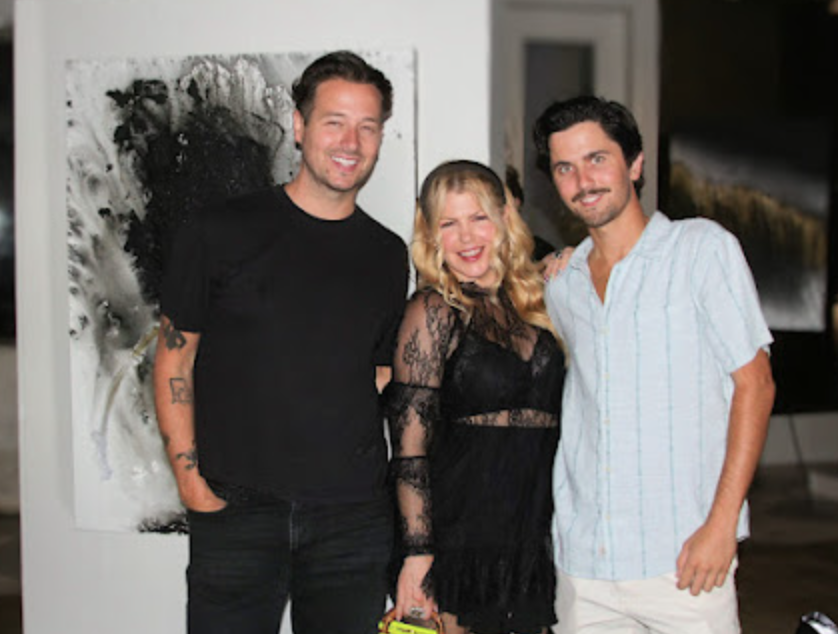
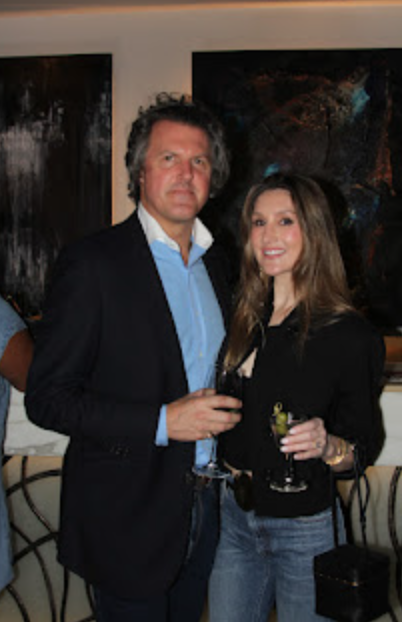
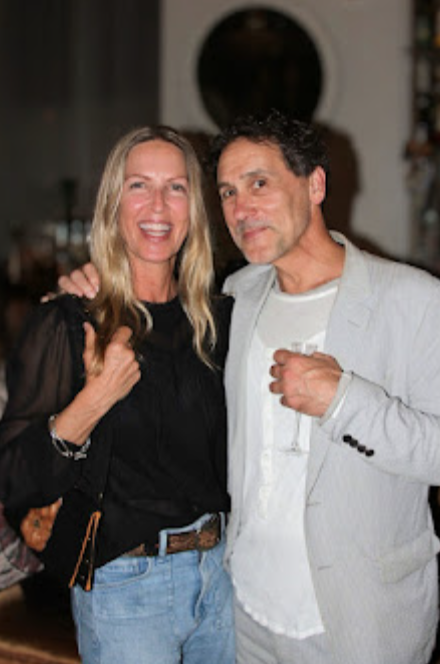
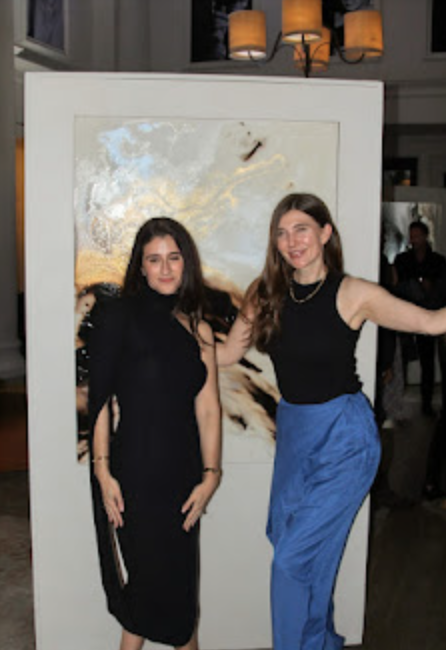
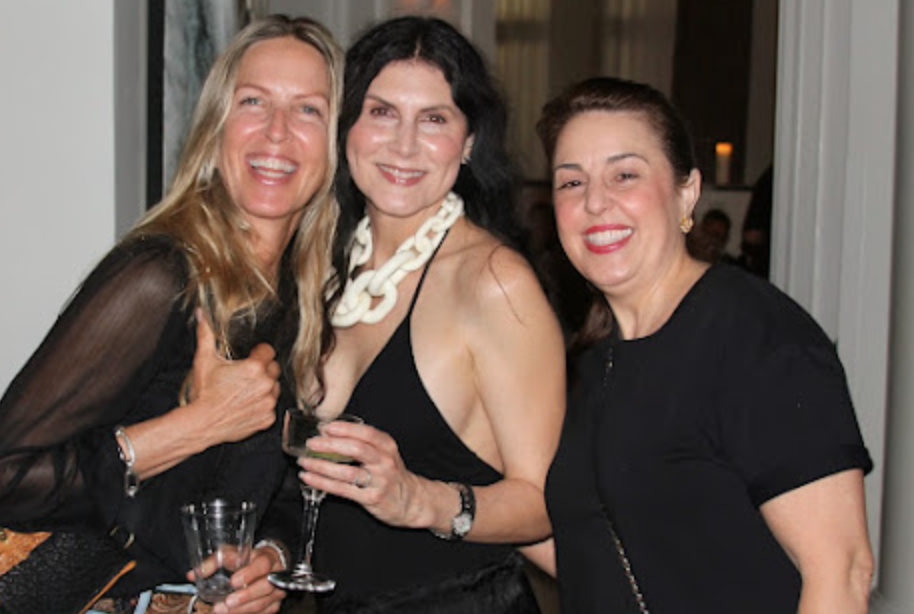
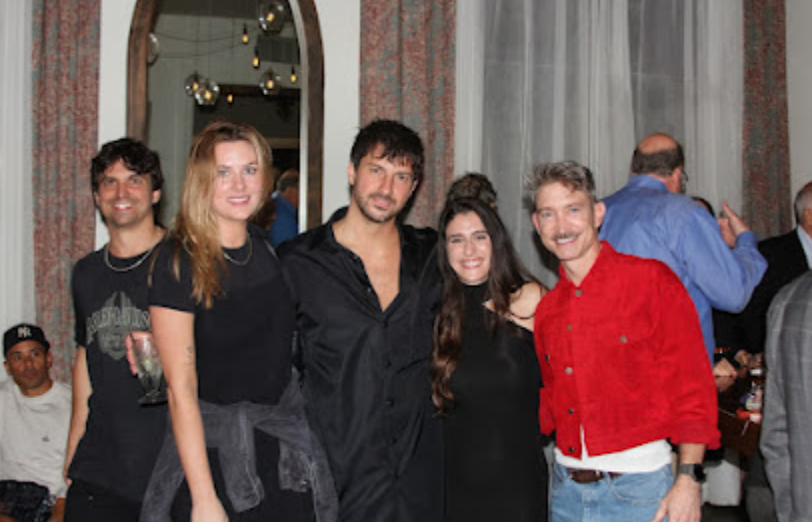
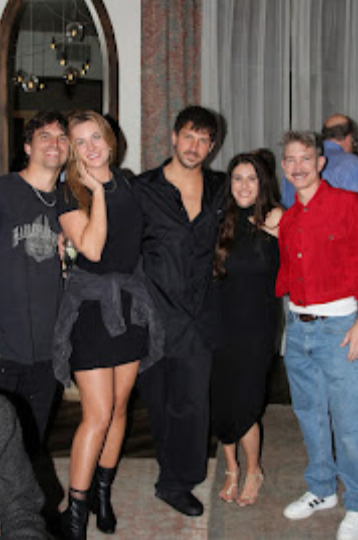
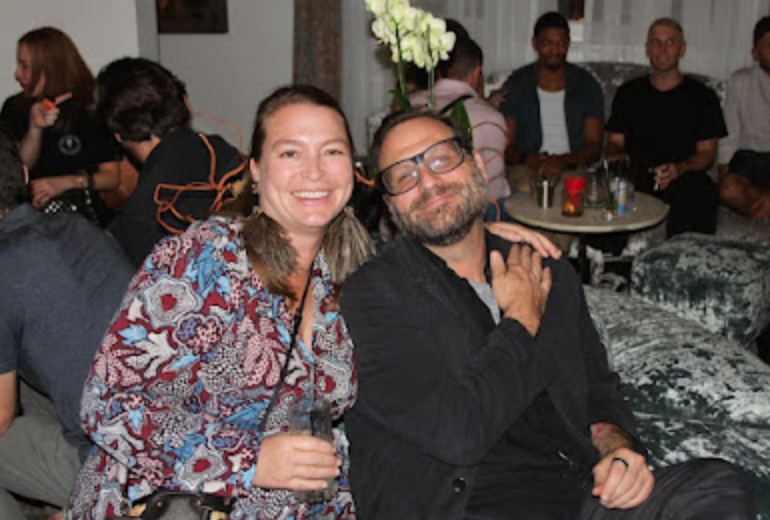
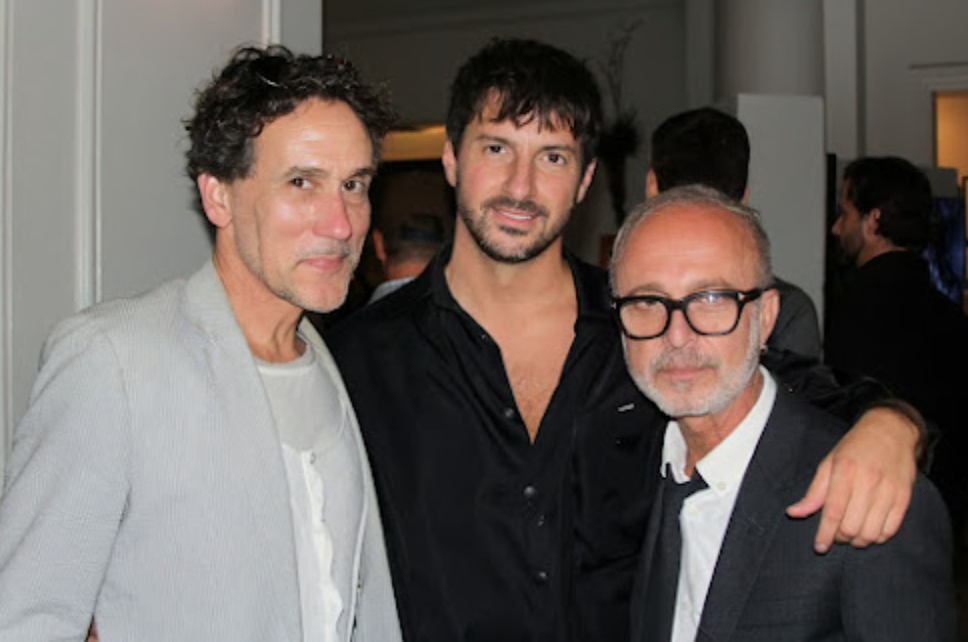
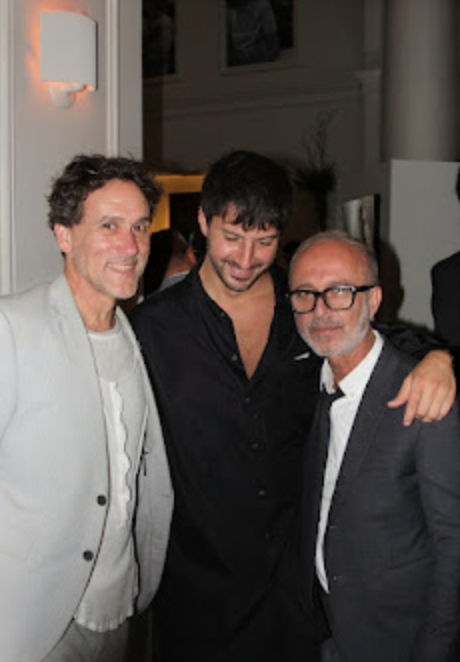
The who's who of New Orleans creative life converged — as the name promised — under the gilded ceilings of one of the CBD's most storied addresses. Artists, collectors, designers, and tastemakers filled the room, drawn not just by the work on the walls but by a palpable sense that this was a moment worth witnessing. There was electricity in the conversation, in the movement of people between pieces, in the barely contained thrill of a city celebrating one of its own.
To understand why the room felt the way it did, you have to understand RJ Raizk. The New Orleans-based contemporary artist came up drawing on walls — literally. As a child in small-town Ohio, he covered walls and shutters with spontaneous marks that would evolve into his now-signature visual language: intricate, hand-drawn patterns that rival digitally printed textiles in their precision while surpassing them in soul. His mother saved those early drawings. The world is catching up to what she already knew.
After earning his BFA from New York's School of Visual Arts, Raizk built a client base that spanned corporations, fashion designers, and private homeowners through pop-up mural installations at clubs and restaurants. When his late sister — an interior designer who had attended Tulane — returned to New Orleans, he followed. The city's "anything goes vibe," as he describes it, became the perfect container for his expansive practice. Today, that practice spans large-scale murals, abstract canvases with aqueous washes of color, and works in acrylic, oil, ink, and spray paint — united by what he calls their organic quality.
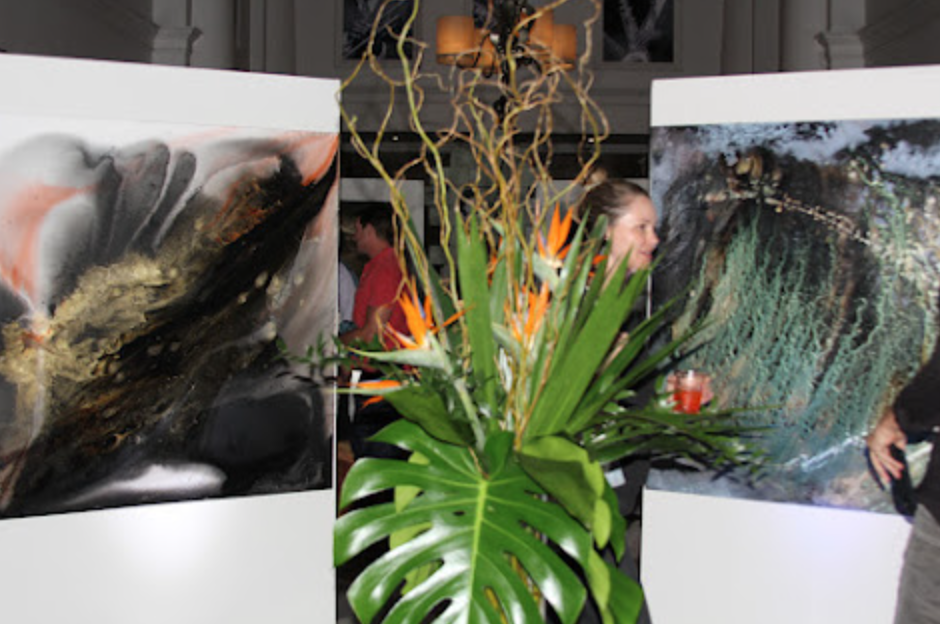
His wall works carry names drawn from the natural world — Coral, Fronds, Leaves, Circles — but Raizk is clear that the inspiration is internal rather than representational. "It's very internal versus outward inspiration," he has said. Music, emotion, color, texture: these are the raw materials. The images that result — canvases reminiscent of ink diffusing in water, paint moving with the liquidity of lava, light breaking through stone — feel like transmissions from somewhere deeper than observation.
Before guests arrived, before a single glass was raised, Convergence had already claimed the street. Artist and projection designer Brennen Steele transformed the entire exterior of International House Hotel into a moving canvas, mapping Raizk's signature patterns and motifs directly onto the building's neoclassical façade. What resulted was something between architecture and living artwork — the building's columns and cornices animated by fields of shifting color and pattern, Raizk's organic forms breathing across limestone at a scale that stopped pedestrians mid-stride.
Steele's projection work didn't merely decorate the hotel — it extended the exhibition outward into the public realm, turning Camp Street into an outdoor gallery. The whole city could see it. And the whole city, it seemed, took notice. This was the public art gesture that gave the evening its civic dimension: not just a private party behind closed doors, but an offering to the street.
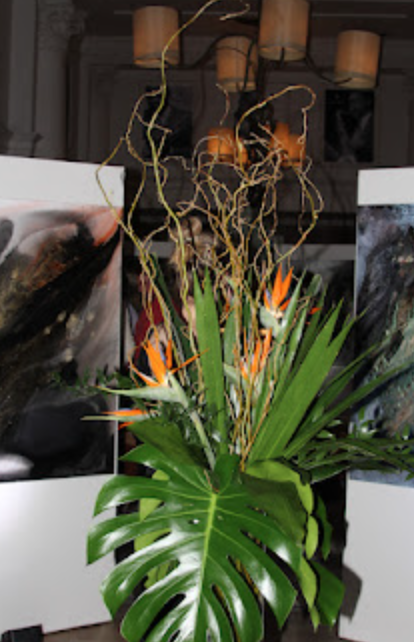
Step inside, and the energy shifted from awe to warmth. The interior of International House Hotel — with its soaring lobby ceilings, warm lighting, and the intimate glamour that has made it a backdrop for the city's most significant cultural moments — provided a perfect counterpoint to the spectacle outside. Raizk's work filled the space with color and form, each piece an invitation to stop, to look, to feel the internal world he channels onto canvas.
Artists from across the city made their way here. David Haruni was among those who came to admire, to engage, to be part of a moment that the room understood was larger than a single evening. The turnout wasn't merely social — it was a collective act of recognition. New Orleans was choosing to show up for one of its own, fully and without reservation.
Certified sommelier Hilary Haniff brought the same conceptual rigor to the bar that Raizk brings to the canvas. The evening's signature cocktail, called Untitled in deliberate homage to the unnamed works that anchor a gallery experience, was presented gallery-style — a wall card beside the drink, as if the cocktail itself were a piece in the show. Blanco tequila, coconut water, fresh lime, blackberry, and activated charcoal: the drink was dark, sculptural, and quietly surprising. It tasted like the evening looked.
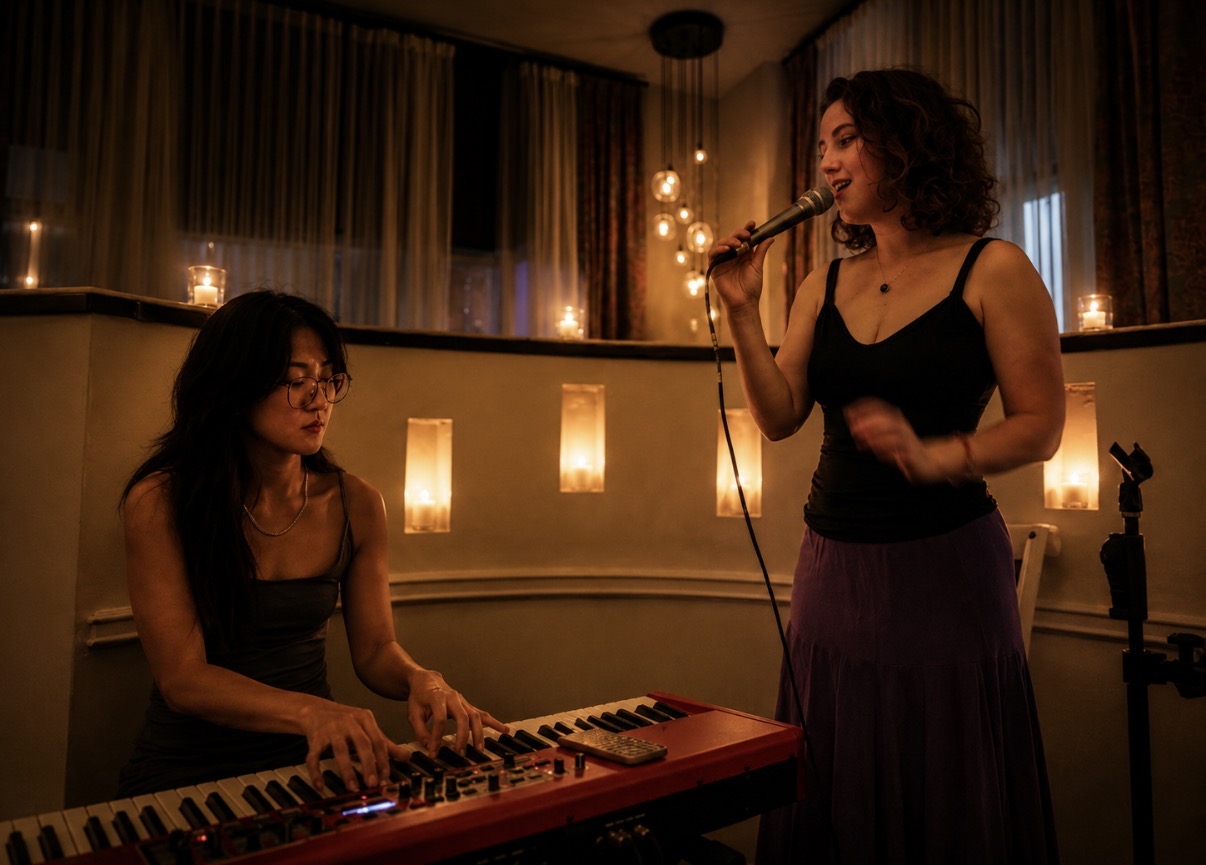
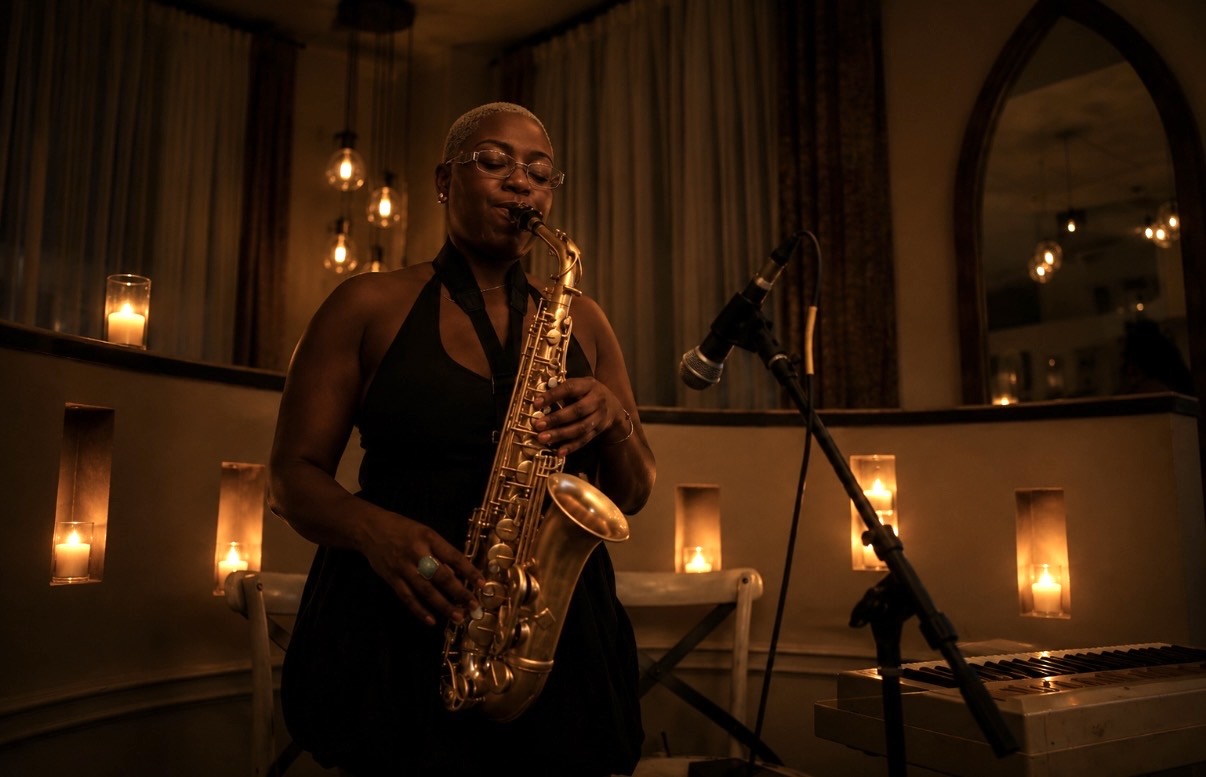
DJ Sur Zachary Dupont understood the assignment. His set drew from Depeche Mode and the broader catalog of an era defined by texture, longing, and forward movement — but these weren't nostalgia plays. Dupont reworked and wove these songs into something that felt newly coined, freshly relevant, electric. For a room full of people who prize authenticity and the discovery of the genuinely new, this was exactly right. The music didn't compete with the art. It was part of it — another layer in an evening that had been composed, not merely assembled.
The sound filled the space the way Raizk's patterns fill a wall: completely, organically, without a gap. You could feel it more than hear it in certain moments, a low frequency that seemed to hum through the floors and find you wherever you stood in the room.
New Orleans didn't just attend Convergence — it endorsed it.
By the end of the evening, it was clear that Convergence had done what its name promised: it had gathered the city's creative energy into a single place and a single moment, and that moment had cohered into something worth remembering. The projections faded eventually. The music found its last note. But the feeling — that particular electricity that New Orleans generates when it decides to believe in something — lingered long after the lights on Camp Street went dark.
RJ Raizk was born to make work that turns the built world into something alive. Convergence proved it. The city is paying attention.